Leigh syndrome; PDE5 inhibitors; PRKG1; brain organoids; drug repurposing; drug screening; high-content analysis; iPSCs; mitochondrial diseases; sildenafil; Biochemistry, Genetics and Molecular Biology (all)
Abstract :
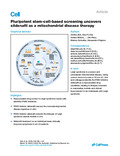
[en] Mitochondrial disease encompasses inherited disorders affecting mitochondrial function. A severe and untreatable form of mitochondrial disease is Leigh syndrome (LS), causing psychomotor regression and metabolic crises. To accelerate drug discovery for LS, we screen a library of 5,632 repurposable compounds in neural cells from LS-patient-derived induced pluripotent stem cells (iPSCs). We identify phosphodiesterase type 5 (PDE5) inhibitors as leads and prioritize sildenafil for its clinical safety. Sildenafil corrects mitochondrial membrane potential defects, restores neurodevelopmental pathways, and normalizes calcium responses in LS brain organoids. In small and large mammalian models of LS, sildenafil extends lifespan and ameliorates disease phenotypes. Off-label treatment on an individual basis with sildenafil in six LS patients improves their motor function and resistance to metabolic crises. Collectively, the findings highlight the potential of iPSC-driven drug discovery and position sildenafil as a promising drug candidate for mitochondrial disease.
Disciplines :
Life sciences: Multidisciplinary, general & others
Author, co-author :
Zink, Annika ; Department of General Pediatrics, Neonatology and Pediatric Cardiology, Medical Faculty, University Hospital Düsseldorf, Heinrich-Heine-Düsseldorf, 40225 Düsseldorf, Germany
Dai, Dao-Fu; Department of Pathology, Johns Hopkins University School of Medicine, Baltimore, MD 21218, USA. Electronic address: ddai4@jh.edu
Wittich, Annika; Fraunhofer Institute for Translational Medicine and Pharmacology ITMP, Discovery Research ScreeningPort, 22525 Hamburg, Germany
Henke, Marie-Thérèse; Charité - Universitätsmedizin Berlin, corporate member of Freie Universität Berlin and Humboldt-Universität zu Berlin, Department of Neuropediatrics, 10117 Berlin, Germany, Charité - Universitätsmedizin Berlin, corporate member of Freie Universität Berlin and Humboldt-Universität zu Berlin, NeuroCure Clinical Research Center, 10117 Berlin, Germany
Pedrotti, Giulia; Department of Diagnostics and Public Health, University of Verona, 37134 Verona, Italy
Heiduschka, Sonja; Department of General Pediatrics, Neonatology and Pediatric Cardiology, Medical Faculty, University Hospital Düsseldorf, Heinrich-Heine-Düsseldorf, 40225 Düsseldorf, Germany, Faculty of Mathematics and Natural Sciences, Heinrich Heine University, 40225 Düsseldorf, Germany
SANTAMARIA AGUILAR, Guillem ; University of Luxembourg > Luxembourg Centre for Systems Biomedicine (LCSB) > Computational Biology
Pentimalli, Tancredi Massimo; Berlin Institute for Medical Systems Biology (BIMSB), Max Delbrück Center for Molecular Medicine in the Helmholtz Association (MDC), 10115 Berlin, Germany, Charité - Universitätsmedizin Berlin, 10117 Berlin, Germany
Brueser, Christian; Fraunhofer Institute for Translational Medicine and Pharmacology ITMP, Translational Neuroinflammation and Automated Microscopy, 37037 Göttingen, Germany
Notopoulou, Sofia; Institute of Applied Biosciences (INAB), Centre For Research and Technology Hellas (CERTH), 57001 Thessaloniki, Greece
Umar, Abdul Rahim; Department of Physics, University of South Florida, Tampa, FL 33620, USA
Zhaivoron, Aleksandra; Stem Cells and Metabolism Program, Faculty of Medicine, University of Helsinki, 00014 Helsinki, Finland
Petersilie, Laura; Institute of Neurobiology, Heinrich Heine University, 40225 Düsseldorf, Germany
Jerred, Caleb; Department of General Pediatrics, Neonatology and Pediatric Cardiology, Medical Faculty, University Hospital Düsseldorf, Heinrich-Heine-Düsseldorf, 40225 Düsseldorf, Germany, Faculty of Mathematics and Natural Sciences, Heinrich Heine University, 40225 Düsseldorf, Germany
Bergmans, Jesper; Radboud Center for Mitochondrial Medicine, Radboud University Medical Center, 6500 HB Nijmegen, the Netherlands, Department of Pediatrics, Amalia Children's Hospital, Radboud University Medical Center, 6525 GA Nijmegen, the Netherlands
Neu, Louis Anton; Institute of Neurobiology, Heinrich Heine University, 40225 Düsseldorf, Germany
Schumacher, Fabian; Institute of Pharmacy, Freie Universität Berlin, 14195 Berlin, Germany
Keller-Findeisen, Jan; Fraunhofer Institute for Translational Medicine and Pharmacology ITMP, Translational Neuroinflammation and Automated Microscopy, 37037 Göttingen, Germany
Rybak-Wolf, Agnieszka; Berlin Institute for Medical Systems Biology (BIMSB), Max Delbrück Center for Molecular Medicine in the Helmholtz Association (MDC), 10115 Berlin, Germany
Stach, Daniel; Fraunhofer Institute for Translational Medicine and Pharmacology ITMP, Discovery Research ScreeningPort, 22525 Hamburg, Germany
Reinshagen, Jeanette; Fraunhofer Institute for Translational Medicine and Pharmacology ITMP, Discovery Research ScreeningPort, 22525 Hamburg, Germany
Haferkamp, Undine; Fraunhofer Institute for Translational Medicine and Pharmacology ITMP, Discovery Research ScreeningPort, 22525 Hamburg, Germany
Krieg, Kim; Fraunhofer Institute for Translational Medicine and Pharmacology ITMP, Discovery Research ScreeningPort, 22525 Hamburg, Germany
Zaliani, Andrea; Fraunhofer Institute for Translational Medicine and Pharmacology ITMP, Discovery Research ScreeningPort, 22525 Hamburg, Germany
Euro, Liliya; Stem Cells and Metabolism Program, Faculty of Medicine, University of Helsinki, 00014 Helsinki, Finland
Di Donfrancesco, Alessia; Fondazione IRCCS Istituto Neurologico Carlo Besta, 20126 Milan, Italy
Santanatoglia, Chiara; Department of Diagnostics and Public Health, University of Verona, 37134 Verona, Italy
Cappellozza, Enrica; Department of Diagnostics and Public Health, University of Verona, 37134 Verona, Italy
Suarez Cubero, Marta; Department of Molecular Biology & CMBI, Genomics, Stem Cell & Regenerative Medicine Group, University of Innsbruck, 6020 Innsbruck, Austria
Pavez-Giani, Mario; Stem Cell Unit, Clinic for Cardiology and Pneumology, University Medical Center Göttingen, 37075 Göttingen, Germany, Experimental Cardiology Institute, Medical Clinic I/Cardiology and Angiology, Justus Liebig University of Giessen, 35392 Giessen, Germany
Bakumenko, Oleh; Fraunhofer Institute for Translational Medicine and Pharmacology ITMP, Translational Neuroinflammation and Automated Microscopy, 37037 Göttingen, Germany
Meierhofer, David; Max Planck Institute for Molecular Genetics, 14195 Berlin, Germany
FOLEY, Alan ; University of Luxembourg > Luxembourg Centre for Systems Biomedicine > Computational Biology > Team Antonio DEL SOL MESA
Morales-Gonzalez, Susanne; Charité - Universitätsmedizin Berlin, corporate member of Freie Universität Berlin and Humboldt-Universität zu Berlin, Department of Neuropediatrics, 10117 Berlin, Germany
Tolle, Isabella; Department of General Pediatrics, Neonatology and Pediatric Cardiology, Medical Faculty, University Hospital Düsseldorf, Heinrich-Heine-Düsseldorf, 40225 Düsseldorf, Germany
Herebian, Diran; Department of General Pediatrics, Neonatology and Pediatric Cardiology, Medical Faculty, University Hospital Düsseldorf, Heinrich-Heine-Düsseldorf, 40225 Düsseldorf, Germany
Bonesso, Daniele; Department of Biology, University of Padova, 35121 Padova, Italy
Cecchetto, Giulia; Department of General Pediatrics, Neonatology and Pediatric Cardiology, Medical Faculty, University Hospital Düsseldorf, Heinrich-Heine-Düsseldorf, 40225 Düsseldorf, Germany
Wong, Sakurako Nagumo; Berlin Institute for Medical Systems Biology (BIMSB), Max Delbrück Center for Molecular Medicine in the Helmholtz Association (MDC), 10115 Berlin, Germany
Moresco, Monica; IRCCS Istituto delle Scienze Neurologiche di Bologna, Programma di Neurogenetica, 40139 Bologna, Italy
Maresca, Alessandra; IRCCS Istituto delle Scienze Neurologiche di Bologna, Programma di Neurogenetica, 40139 Bologna, Italy
Decimo, Ilaria; Department of Diagnostics and Public Health, University of Verona, 37134 Verona, Italy
De Sanctis, Francesco; Department of Medicine, Section of Immunology, University of Verona Hospital Trust, 37134 Verona, Italy
Adamo, Annalisa; Department of Medicine, Section of Immunology, University of Verona Hospital Trust, 37134 Verona, Italy
Adjobo-Hermans, Merel J W; Radboud Center for Mitochondrial Medicine, Radboud University Medical Center, 6500 HB Nijmegen, the Netherlands, Department of Medical BioSciences, Radboud Center for Mitochondrial Medicine, Radboud University Medical Center, 6525 GA Nijmegen, the Netherlands
Duchi, Roberto; Avantea, 26100 Cremona, Italy
Barandalla, Maria; Avantea, 26100 Cremona, Italy
Scaglia, Marco; Avantea, 26100 Cremona, Italy
Perota, Andrea; Avantea, 26100 Cremona, Italy
Galli, Cesare; Avantea, 26100 Cremona, Italy
Kleuser, Burkhard; Institute of Pharmacy, Freie Universität Berlin, 14195 Berlin, Germany
Cyganek, Lukas; Fraunhofer Institute for Translational Medicine and Pharmacology ITMP, Translational Neuroinflammation and Automated Microscopy, 37037 Göttingen, Germany, Stem Cell Unit, Clinic for Cardiology and Pneumology, University Medical Center Göttingen, 37075 Göttingen, Germany, German Center for Cardiovascular Research (DZHK), partner site Lower Saxony and Berlin, 10785 Berlin, Germany
Mühlhausen, Chris; Department of Pediatrics and Adolescent Medicine, University Medical Center, Georg-August-University, 37075 Göttingen, Germany
Schlotawa, Lars; Fraunhofer Institute for Translational Medicine and Pharmacology ITMP, Translational Neuroinflammation and Automated Microscopy, 37037 Göttingen, Germany, Department of Pediatrics and Adolescent Medicine, University Medical Center, Georg-August-University, 37075 Göttingen, Germany, German Center for Child and Adolescent Health (DZKJ), Section CNS Development and Neurological Disease, partner site Göttingen, Robert-Koch-Str. 40, 37075 Göttingen, Germany
Mayatepek, Ertan; Department of General Pediatrics, Neonatology and Pediatric Cardiology, Medical Faculty, University Hospital Düsseldorf, Heinrich-Heine-Düsseldorf, 40225 Düsseldorf, Germany
Szabo, Ildiko; Department of Biology, University of Padova, 35121 Padova, Italy
La Morgia, Chiara; IRCCS Istituto delle Scienze Neurologiche di Bologna, Programma di Neurogenetica, 40139 Bologna, Italy, Department of Biomedical and Neuromotor Sciences (DIBINEM), University of Bologna, 40127 Bologna, Italy
Klopstock, Thomas; Friedrich-Baur-Institute, Department of Neurology, LMU University Hospital, Ludwig-Maximilians-Universität München, 80336 Munich, Germany, Munich Cluster for Systems Neurology (SyNergy), 81377 Munich, Germany, German Center for Neurodegenerative Diseases (DZNE), 81377 Munich, Germany
Carelli, Valerio; IRCCS Istituto delle Scienze Neurologiche di Bologna, Programma di Neurogenetica, 40139 Bologna, Italy, Department of Biomedical and Neuromotor Sciences (DIBINEM), University of Bologna, 40127 Bologna, Italy
Distelmaier, Felix; Department of General Pediatrics, Neonatology and Pediatric Cardiology, Medical Faculty, University Hospital Düsseldorf, Heinrich-Heine-Düsseldorf, 40225 Düsseldorf, Germany
Rossi, Andrea; Genome Engineering and Model Development lab (GEMD), IUF-Leibniz Research Institute for Environmental Medicine, 40223 Düsseldorf, Germany
Rajewsky, Nikolaus; Berlin Institute for Medical Systems Biology (BIMSB), Max Delbrück Center for Molecular Medicine in the Helmholtz Association (MDC), 10115 Berlin, Germany, NeuroCure Cluster of Excellence, 10117 Berlin, Germany, German Center for Cardiovascular Research (DZHK), partner site Lower Saxony and Berlin, 10785 Berlin, Germany, National Center for Tumor Diseases (NCT), German Cancer Consortium (DKTK), 13125 Berlin, Germany, German Center for Neurodegenerative Diseases (DZNE), 10117 Berlin, Germany
Ullah, Ghanim; Department of Physics, University of South Florida, Tampa, FL 33620, USA
Jakobs, Stefan; Fraunhofer Institute for Translational Medicine and Pharmacology ITMP, Translational Neuroinflammation and Automated Microscopy, 37037 Göttingen, Germany, German Center for Child and Adolescent Health (DZKJ), Section CNS Development and Neurological Disease, partner site Göttingen, Robert-Koch-Str. 40, 37075 Göttingen, Germany, Department of NanoBiophotonics, Max Planck Institute for Multidisciplinary Sciences, 37077 Göttingen, Germany, Department of Neurology, University Medical Center Göttingen, 37075 Göttingen, Germany
Rose, Christine R; Institute of Neurobiology, Heinrich Heine University, 40225 Düsseldorf, Germany
Petrakis, Spyros; Institute of Applied Biosciences (INAB), Centre For Research and Technology Hellas (CERTH), 57001 Thessaloniki, Greece
Edenhofer, Frank; Department of Molecular Biology & CMBI, Genomics, Stem Cell & Regenerative Medicine Group, University of Innsbruck, 6020 Innsbruck, Austria
Koopman, Werner J H; Radboud Center for Mitochondrial Medicine, Radboud University Medical Center, 6500 HB Nijmegen, the Netherlands, Department of Pediatrics, Amalia Children's Hospital, Radboud University Medical Center, 6525 GA Nijmegen, the Netherlands, Human and Animal Physiology, Wageningen University, 6708 WD Wageningen, the Netherlands
Lisowski, Pawel; Berlin Institute for Medical Systems Biology (BIMSB), Max Delbrück Center for Molecular Medicine in the Helmholtz Association (MDC), 10115 Berlin, Germany, Neuropsychiatry and Laboratory of Molecular Psychiatry, Department of Psychiatry and Neurosciences, Charité - Universitätsmedizin Berlin, 10117 Berlin, Germany, Department of Molecular Biology, Institute of Genetics and Animal Biotechnology, Polish Academy of Sciences, 05-552 Jastrzebiec n/Warsaw, Poland
Suomalainen, Anu; Stem Cells and Metabolism Program, Faculty of Medicine, University of Helsinki, 00014 Helsinki, Finland, HiLife, University of Helsinki, 0004 Helsinki, Finland, HUS Diagnostics, Helsinki University Hospital, 00290 Helsinki, Finland
Brunetti, Dario; Fondazione IRCCS Istituto Neurologico Carlo Besta, 20126 Milan, Italy, Department of Clinical Sciences and Community Health, Dipartimento di Eccellenza 2023-2027, University of Milan, 20122 Milan, Italy. Electronic address: dario.brunetti@unimi.it
DEL SOL MESA, Antonio ✱; University of Luxembourg > Luxembourg Centre for Systems Biomedicine (LCSB) > Computational Biology
Bottani, Emanuela; Department of Diagnostics and Public Health, University of Verona, 37134 Verona, Italy. Electronic address: emanuela.bottani@univr.it
Pless, Ole; Fraunhofer Institute for Translational Medicine and Pharmacology ITMP, Discovery Research ScreeningPort, 22525 Hamburg, Germany. Electronic address: ole.pless@itmp.fraunhofer.de
Schuelke, Markus; Charité - Universitätsmedizin Berlin, corporate member of Freie Universität Berlin and Humboldt-Universität zu Berlin, Department of Neuropediatrics, 10117 Berlin, Germany, Charité - Universitätsmedizin Berlin, corporate member of Freie Universität Berlin and Humboldt-Universität zu Berlin, NeuroCure Clinical Research Center, 10117 Berlin, Germany, German Center for Child and Adolescent Health (DZKJ), Section CNS Development and Neurological Disease, partner site Berlin, 13353 Berlin, Germany. Electronic address: markus.schuelke@charite.de
Prigione, Alessandro ; Department of General Pediatrics, Neonatology and Pediatric Cardiology, Medical Faculty, University Hospital Düsseldorf, Heinrich-Heine-Düsseldorf, 40225 Düsseldorf, Germany. Electronic address: alessandro.prigione@hhu.de
Federal Ministry of Education and Research Bonn Office AFM-Telethon European Commission United Mitochondrial Disease Foundation German Research Foundation
Gorman, G.S., Chinnery, P.F., DiMauro, S., Hirano, M., Koga, Y., McFarland, R., Suomalainen, A., Thorburn, D.R., Zeviani, M., and Turnbull, D.M. (2016). Mitochondrial diseases. Nat. Rev. Dis. Primers 2, 16080. 10.1038/nrdp.2016.80.
Leigh, D. (1951). Subacute necrotizing encephalomyelopathy in an infant. J. Neurol. Neurosurg. Psychiatry 14, 216-221. 10.1136/jnnp.14.3.216.
Baertling, F., Rodenburg, R.J., Schaper, J., Smeitink, J.A., Koopman, W.J.H., Mayatepek, E., Morava, E., and Distelmaier, F. (2014). A guide to diagnosis and treatment of Leigh syndrome. J. Neurol. Neurosurg. Psychiatry 85, 257-265. 10.1136/jnnp-2012-304426.
McCormick, E.M., Keller, K., Taylor, J.P., Coffey, A.J., Shen, L., Krotoski, D., Harding, B., NICHD ClinGen U24 Mitochondrial Disease Gene Curation Expert Panel, Gai, X., Falk, M.J., et al. (2023). Expert Panel Curation of 113 Primary Mitochondrial Disease Genes for the Leigh Syndrome Spectrum. Ann. Neurol. 94, 696-712. 10.1002/ana.26716.
Thorburn, D.R., Rahman, J., and Rahman, S. (1993). Mitochondrial DNA-Associated Leigh Syndrome and NARP. In GeneReviews®, M.P. Adam, D.B. Everman, G.M. Mirzaa, R.A. Pagon, S.E. Wallace, L.J.H. Bean, K.W. Gripp, and A. Amemiya, eds (University of Washington).
Tiranti, V., Hoertnagel, K., Carrozzo, R., Galimberti, C., Munaro, M., Granatiero, M., Zelante, L., Gasparini, P., Marzella, R., Rocchi, M., et al. (1998). Mutations of SURF-1 in Leigh disease associated with cytochrome c oxidase deficiency. Am. J. Hum. Genet. 63, 1609-1621. 10.1086/302150.
Petruzzella, V., Vergari, R., Puzziferri, I., Boffoli, D., Lamantea, E., Zeviani, M., and Papa, S. (2001). A nonsense mutation in the NDUFS4 gene encoding the 18 kDa (AQDQ) subunit of complex I abolishes assembly and activity of the complex in a patient with Leigh-like syndrome. Hum. Mol. Genet. 10, 529-535. 10.1093/hmg/10.5.529.
Weissig, V. (2020). Drug Development for the Therapy of Mitochondrial Diseases. Trends Mol. Med. 26, 40-57. 10.1016/j.molmed.2019.09.002.
Henke, M.T., Prigione, A., and Schuelke, M. (2024). Disease models of Leigh syndrome: From yeast to organoids. J. Inherit. Metab. Dis. 47, 1292-1321. 10.1002/jimd.12804.
Gammage, P.A., Moraes, C.T., and Minczuk, M. (2018). Mitochondrial Genome Engineering: The Revolution May Not Be CRISPR-Ized. Trends Genet. 34, 101-110. 10.1016/j.tig.2017.11.001.
Quadalti, C., Brunetti, D., Lagutina, I., Duchi, R., Perota, A., Lazzari, G., Cerutti, R., Di Meo, I., Johnson, M., Bottani, E., et al. (2018). SURF1 knockout cloned pigs: Early onset of a severe lethal phenotype. Biochim. Biophys. Acta Mol. Basis Dis. 1864, 2131-2142. 10.1016/j.bbadis.2018.03.021.
Dell’agnello, C., Leo, S., Agostino, A., Szabadkai, G., Tiveron, C., Zulian, A., Prelle, A., Roubertoux, P., Rizzuto, R., and Zeviani, M. (2007). Increased longevity and refractoriness to Ca(2+)-dependent neurodegeneration in Surf1 knockout mice. Hum. Mol. Genet. 16, 431-444. 10.1093/hmg/ddl477.
Kovarova, N., Pecina, P., Nuskova, H., Vrbacky, M., Zeviani, M., Mracek, T., Viscomi, C., and Houstek, J. (2016). Tissue- and species-specific differences in cytochrome c oxidase assembly induced by SURF1 defects. Biochim. Biophys. Acta 1862, 705-715. 10.1016/j.bbadis.2016.01.007.
Quintana, A., Kruse, S.E., Kapur, R.P., Sanz, E., and Palmiter, R.D. (2010). Complex I deficiency due to loss of Ndufs4 in the brain results in progressive encephalopathy resembling Leigh syndrome. Proc. Natl. Acad. Sci. USA 107, 10996-11001. 10.1073/pnas.1006214107.
van de Wal, M.A.E., Adjobo-Hermans, M.J.W., Keijer, J., Schirris, T.J.J., Homberg, J.R., Wieckowski, M.R., Grefte, S., van Schothorst, E.M., van Karnebeek, C., Quintana, A., et al. (2022). Ndufs4 knockout mouse models of Leigh syndrome: pathophysiology and intervention. Brain 145, 45-63. 10.1093/brain/awab426.
Martinelli, D., Catteruccia, M., Piemonte, F., Pastore, A., Tozzi, G., Dionisi-Vici, C., Pontrelli, G., Corsetti, T., Livadiotti, S., Kheifets, V., et al. (2012). EPI-743 reverses the progression of the pediatric mitochondrial disease--genetically defined Leigh Syndrome. Mol. Genet. Metab. 107, 383-388. 10.1016/j.ymgme.2012.09.007.
Kayser, E.B., Mulholland, M., Olkhova, E.A., Chen, Y., Coulson, H., Cairns, O., Truong, V., James, K., Johnson, B.M., Hanaford, A., et al. (2025). Evaluating the efficacy of vatiquinone in preclinical models of Leigh syndrome and GPX4 deficiency. Orphanet J. Rare Dis. 20, 65. 10.1186/s13023-025-03582-x.
de Haas, R., Das, D., Garanto, A., Renkema, H.G., Greupink, R., van den Broek, P., Pertijs, J., Collin, R.W.J., Willems, P., Beyrath, J., et al. (2017). Therapeutic effects of the mitochondrial ROS-redox modulator KH176 in a mammalian model of Leigh Disease. Sci. Rep. 7, 11733. 10.1038/s41598-017-09417-5.
Johnson, S.C., Yanos, M.E., Kayser, E.B., Quintana, A., Sangesland, M., Castanza, A., Uhde, L., Hui, J., Wall, V.Z., Gagnidze, A., et al. (2013). mTOR inhibition alleviates mitochondrial disease in a mouse model of Leigh syndrome. Science 342, 1524-1528. 10.1126/science.1244360.
Hanaford, A.R., Khanna, A., James, K., Truong, V., Liao, R., Chen, Y., Mulholland, M., Kayser, E.B., Watanabe, K., Hsieh, E.S., et al. (2024). Interferon-gamma contributes to disease progression in the Ndufs4(-/-) model of Leigh syndrome. Neuropathol. Appl. Neurobiol. 50, e12977. 10.1111/nan.12977.
Puighermanal, E., Luna-Sanchez, M., Gella, A., van der Walt, G., Urpi, A., Royo, M., Tena-Morraja, P., Appiah, I., de Donato, M.H., Menardy, F., et al. (2024). Cannabidiol ameliorates mitochondrial disease via PPARgamma activation in preclinical models. Nat. Commun. 15, 7730. 10.1038/s41467-024-51884-8.
Jain, I.H., Zazzeron, L., Goli, R., Alexa, K., Schatzman-Bone, S., Dhillon, H., Goldberger, O., Peng, J., Shalem, O., Sanjana, N.E., et al. (2016). Hypoxia as a therapy for mitochondrial disease. Science 352, 54-61. 10.1126/science.aad9642.
Blume, S.Y., Garg, A., Marti-Mateos, Y., Midha, A.D., Chew, B.T.L., Lin, B., Yu, C., Dick, R., Lee, P.S., Situ, E., et al. (2025). HypoxyStat, a small-molecule form of hypoxia therapy that increases oxygen-hemoglobin affinity. Cell 188, 1580-1588.e11. 10.1016/j.cell.2025.01.029.
Tolle, I., Tiranti, V., and Prigione, A. (2023). Modeling mitochondrial DNA diseases: from base editing to pluripotent stem-cell-derived organoids. EMBO Rep. 24, e55678. 10.15252/embr.202255678.
Inak, G., Rybak-Wolf, A., Lisowski, P., Pentimalli, T.M., Juttner, R., Glazar, P., Uppal, K., Bottani, E., Brunetti, D., Secker, C., et al. (2021). Defective metabolic programming impairs early neuronal morphogenesis in neural cultures and an organoid model of Leigh syndrome. Nat. Commun. 12, 1929. 10.1038/s41467-021-22117-z.
Galera-Monge, T., Zurita-Diaz, F., Canals, I., Hansen, M.G., Rufian-Vazquez, L., Ehinger, J.K., Elmer, E., Martin, M.A., Garesse, R., Ahlenius, H., et al. (2020). Mitochondrial Dysfunction and Calcium Dysregulation in Leigh Syndrome Induced Pluripotent Stem Cell Derived Neurons. Int. J. Mol. Sci. 21, 3191. 10.3390/ijms21093191.
Lorenz, C., Lesimple, P., Bukowiecki, R., Zink, A., Inak, G., Mlody, B., Singh, M., Semtner, M., Mah, N., Aure, K., et al. (2017). Human iPSC-Derived Neural Progenitors Are an Effective Drug Discovery Model for Neurological mtDNA Disorders. Cell Stem Cell 20, 659-674.e9. 10.1016/j.stem.2016.12.013.
Zheng, X., Boyer, L., Jin, M., Kim, Y., Fan, W., Bardy, C., Berggren, T., Evans, R.M., Gage, F.H., and Hunter, T. (2016). Alleviation of neuronal energy deficiency by mTOR inhibition as a treatment for mitochondria-related neurodegeneration. eLife 5, e13378. 10.7554/eLife.13378.
Romero-Morales, A.I., Robertson, G.L., Rastogi, A., Rasmussen, M.L., Temuri, H., McElroy, G.S., Chakrabarty, R.P., Hsu, L., Almonacid, P.M., Millis, B.A., et al. (2022). Human iPSC-derived cerebral organoids model features of Leigh syndrome and reveal abnormal corticogenesis. Development 149, dev199914. 10.1242/dev.199914.
Menacho, C., Okawa, S., Alvarez-Merz, I., Wittich, A., Munoz-Oreja, M., Lisowski, P., Pentimalli, T.M., Rybak-Wolf, A., Inak, G., Zakin, S., et al. (2024). Deep learning-driven neuromorphogenesis screenings identify repurposable drugs for mitochondrial disease. Preprint at bioRxiv. 10.1101/2024.07.08.602501.
Zink, A., Haferkamp, U., Wittich, A., Beller, M., Pless, O., and Prigione, A. (2022). High-content screening of mitochondrial polarization in neural cells derived from human pluripotent stem cells. Star Protoc. 3, 101602. 10.1016/j.xpro.2022.101602.
Ghofrani, H.A., Osterloh, I.H., and Grimminger, F. (2006). Sildenafil: from angina to erectile dysfunction to pulmonary hypertension and beyond. Nat. Rev. Drug Discov. 5, 689-702. 10.1038/nrd2030.
Henke, M.T., Zink, A., Diecke, S., Prigione, A., and Schuelke, M. (2023). Generation of two mother-child pairs of iPSCs from maternally inherited Leigh syndrome patients with m.8993 T > G and m.9176 T > G MT-ATP6 mutations. Stem Cell Res. 67, 103030. 10.1016/j.scr.2023.103030.
Lorenz, C., Zink, A., Henke, M.T., Staege, S., Mlody, B., Bunning, M., Wanker, E., Diecke, S., Schuelke, M., and Prigione, A. (2022). Generation of four iPSC lines from four patients with Leigh syndrome carrying homoplasmic mutations m.8993T > G or m.8993T > C in the mitochondrial gene MT-ATP6. Stem Cell Res. 61, 102742. 10.1016/j.scr.2022.102742.
Steiner, T., Zink, A., Henke, M.T., Cecchetto, G., Buenning, M., Rossi, A., Schuelke, M., and Prigione, A. (2022). RNA-based generation of iPSCs from a boy carrying the mutation m.9185 T>C in the mitochondrial gene MT-ATP6 and from his healthy mother. Stem Cell Res. 64, 102920. 10.1016/j.scr.2022.102920.
Haschke, A.M., Diecke, S., and Schuelke, M. (2024). Characterization of two iPSC lines from patients with maternally inherited leigh (MILS) and neuropathy, ataxia, and retinitis pigmentosa (NARP) syndrome carrying the MT-ATP6 m.8993 T>G mutation at different degrees of heteroplasmy. Stem Cell Res. 81, 103547. 10.1016/j.scr.2024.103547.
Corsello, S.M., Bittker, J.A., Liu, Z., Gould, J., McCarren, P., Hirschman, J.E., Johnston, S.E., Vrcic, A., Wong, B., Khan, M., et al. (2017). The Drug Repurposing Hub: a next-generation drug library and information resource. Nat. Med. 23, 405-408. 10.1038/nm.4306.
Zhang, J.H., Chung, T.D., and Oldenburg, K.R. (1999). A Simple Statistical Parameter for Use in Evaluation and Validation of High Throughput Screening Assays. J. Biomol. Screen. 4, 67-73. 10.1177/108705719900400206.
Sun, L., Wang, C., Zhou, Y., Sun, W., and Wang, C. (2021). Clinical Efficacy and Safety of Different Doses of Sildenafil in the Treatment of Persistent Pulmonary Hypertension of the Newborn: A Network Meta-analysis. Front. Pharmacol. 12, 697287. 10.3389/fphar.2021.697287.
Barst, R.J., Beghetti, M., Pulido, T., Layton, G., Konourina, I., Zhang, M., Ivy, D.D., and STARTS-2 Investigators. (2014). STARTS-2: long-term survival with oral sildenafil monotherapy in treatment-naive pediatric pulmonary arterial hypertension. Circulation 129, 1914-1923. 10.1161/CIRCULATIONAHA.113.005698.
Barst, R.J., Ivy, D.D., Gaitan, G., Szatmari, A., Rudzinski, A., Garcia, A.E., Sastry, B.K., Pulido, T., Layton, G.R., Serdarevic-Pehar, M., et al. (2012). A randomized, double-blind, placebo-controlled, dose-ranging study of oral sildenafil citrate in treatment-naive children with pulmonary arterial hypertension. Circulation 125, 324-334. 10.1161/CIRCULATIONAHA.110.016667.
Danial, C., Tichy, A.L., Tariq, U., Swetman, G.L., Khuu, P., Leung, T.H., Benjamin, L., Teng, J., Vasanawala, S.S., and Lane, A.T. (2014). An open-label study to evaluate sildenafil for the treatment of lymphatic malformations. J. Am. Acad. Dermatol. 70, 1050-1057. 10.1016/j.jaad.2014.02.005.
Bugiardini, E., Bottani, E., Marchet, S., Poole, O.V., Beninca, C., Horga, A., Woodward, C., Lam, A., Hargreaves, I., Chalasani, A., et al. (2020). Expanding the molecular and phenotypic spectrum of truncating MT-ATP6 mutations. Neurol. Genet. 6, e381. 10.1212/NXG.0000000000000381.
Carrozzo, R., Wittig, I., Santorelli, F.M., Bertini, E., Hofmann, S., Brandt, U., and Schagger, H. (2006). Subcomplexes of human ATP synthase mark mitochondrial biosynthesis disorders. Ann. Neurol. 59, 265-275. 10.1002/ana.20729.
Kenvin, S., Torregrosa-Munumer, R., Reidelbach, M., Pennonen, J., Turkia, J.J., Rannila, E., Kvist, J., Sainio, M.T., Huber, N., Herukka, S.K., et al. (2022). Threshold of heteroplasmic truncating MT-ATP6 mutation in reprogramming, Notch hyperactivation and motor neuron metabolism. Hum. Mol. Genet. 31, 958-974. 10.1093/hmg/ddab299.
Stephan, T., Bruser, C., Deckers, M., Steyer, A.M., Balzarotti, F., Barbot, M., Behr, T.S., Heim, G., Hubner, W., Ilgen, P., et al. (2020). MICOS assembly controls mitochondrial inner membrane remodeling and crista junction redistribution to mediate cristae formation. EMBO J. 39, e104105. 10.15252/embj.2019104105.
Li, C., Enomoto, M., Rossi, A.M., Seo, M.D., Rahman, T., Stathopulos, P.B., Taylor, C.W., Ikura, M., and Ames, J.B. (2013). CaBP1, a neuronal Ca2+ sensor protein, inhibits inositol trisphosphate receptors by clamping intersubunit interactions. Proc. Natl. Acad. Sci. USA 110, 8507-8512. 10.1073/pnas.1220847110.
Jeannotte, L., Gotti, F., and Landry-Truchon, K. (2016). Hoxa5: A Key Player in Development and Disease. J. Dev. Biol. 4, 13. 10.3390/jdb4020013.
Philippidou, P., Walsh, C.M., Aubin, J., Jeannotte, L., and Dasen, J.S. (2012). Sustained Hox5 gene activity is required for respiratory motor neuron development. Nat. Neurosci. 15, 1636-1644. 10.1038/nn.3242.
Inamata, Y., and Shirasaki, R. (2014). Dbx1 triggers crucial molecular programs required for midline crossing by midbrain commissural axons. Development 141, 1260-1271. 10.1242/dev.102327.
Eichholtz-Wirth, H., Fritz, E., and Wolz, L. (2003). Overexpression of the ‘silencer of death domain’, SODD/BAG-4, modulates both TNFR1- and CD95-dependent cell death pathways. Cancer Lett. 194, 81-89. 10.1016/s0304-3835(03)00009-0.
Kreider, R.B., and Stout, J.R. (2021). Creatine in Health and Disease. Nutrients 13, 447. 10.3390/nu13020447.
Wyss, M., and Kaddurah-Daouk, R. (2000). Creatine and creatinine metabolism. Physiol. Rev. 80, 1107-1213. 10.1152/physrev.2000.80.3.1107.
Paul, B.D., Sbodio, J.I., and Snyder, S.H. (2018). Cysteine Metabolism in Neuronal Redox Homeostasis. Trends Pharmacol. Sci. 39, 513-524. 10.1016/j.tips.2018.02.007.
Lisowski, P., Lickfett, S., Rybak-Wolf, A., Menacho, C., Le, S., Pentimalli, T.M., Notopoulou, S., Dykstra, W., Oehler, D., Lopez-Calcerrada, S., et al. (2024). Mutant huntingtin impairs neurodevelopment in human brain organoids through CHCHD2-mediated neurometabolic failure. Nat. Commun. 15, 7027. 10.1038/s41467-024-51216-w.
Francis, S.H., Busch, J.L., Corbin, J.D., and Sibley, D. (2010). cGMP-dependent protein kinases and cGMP phosphodiesterases in nitric oxide and cGMP action. Pharmacol. Rev. 62, 525-563. 10.1124/pr.110.002907.
Andrieu, G., Tran, A.H., Strissel, K.J., and Denis, G.V. (2016). BRD4 Regulates Breast Cancer Dissemination through Jagged1/Notch1 Signaling. Cancer Res. 76, 6555-6567. 10.1158/0008-5472.CAN-16-0559.
Xu, F., Lu, S., Jia, X., and Zhou, Y. (2023). Bromodomain protein 4 mediates the roles of TGFβ1-induced Stat3 signaling in mouse liver fibrogenesis. Toxicol. Lett. 385, 42-50. 10.1016/j.toxlet.2023.08.009.
Shi, L., and Bergson, C.M. (2020). Neuregulin 1: an intriguing therapeutic target for neurodevelopmental disorders. Transl. Psychiatry 10, 190. 10.1038/s41398-020-00868-5.
Sophocleous, R.A., Ooi, L., and Sluyter, R. (2022). The P2X4 Receptor: Cellular and Molecular Characteristics of a Promising Neuroinflammatory Target. Int. J. Mol. Sci. 23, 5739. 10.3390/ijms23105739.
Chou, J.Y., and Mansfield, B.C. (2014). The SLC37 family of sugar-phosphate/phosphate exchangers. Curr. Top. Membr. 73, 357-382. 10.1016/B978-0-12-800223-0.00010-4.
Le, S., Petersilie, L., Inak, G., Menacho-Pando, C., Kafitz, K.W., Rybak-Wolf, A., Rajewsky, N., Rose, C.R., and Prigione, A. (2021). Generation of Human Brain Organoids for Mitochondrial Disease Modeling. J. Vis. Exp. ▪, e62756. 10.3791/62756.
Miura, Y., Li, M.Y., Birey, F., Ikeda, K., Revah, O., Thete, M.V., Park, J.Y., Puno, A., Lee, S.H., Porteus, M.H., et al. (2020). Generation of human striatal organoids and cortico-striatal assembloids from human pluripotent stem cells. Nat. Biotechnol. 38, 1421-1430. 10.1038/s41587-020-00763-w.
Cong, Y., So, V., Tijssen, M.A.J., Verbeek, D.S., Reggiori, F., and Mauthe, M. (2021). WDR45, one gene associated with multiple neurodevelopmental disorders. Autophagy 17, 3908-3923. 10.1080/15548627.2021.1899669.
Craig, A.M., and Kang, Y. (2007). Neurexin-neuroligin signaling in synapse development. Curr. Opin. Neurobiol. 17, 43-52. 10.1016/j.conb.2007.01.011.
Klim, J.R., Williams, L.A., Limone, F., Guerra San Juan, I., Davis-Dusenbery, B.N., Mordes, D.A., Burberry, A., Steinbaugh, M.J., Gamage, K.K., Kirchner, R., et al. (2019). ALS-implicated protein TDP-43 sustains levels of STMN2, a mediator of motor neuron growth and repair. Nat. Neurosci. 22, 167-179. 10.1038/s41593-018-0300-4.
Liu, Z., Chatterjee, T.K., and Fisher, R.A. (2002). RGS6 interacts with SCG10 and promotes neuronal differentiation. Role of the G gamma subunit-like (GGL) domain of RGS6. J. Biol. Chem. 277, 37832-37839. 10.1074/jbc.M205908200.
He, Z., Dony, L., Fleck, J.S., Szalata, A., Li, K.X., Sliskovic, I., Lin, H.C., Santel, M., Atamian, A., Quadrato, G., et al. (2024). An integrated transcriptomic cell atlas of human neural organoids. Nature 635, 690-698. 10.1038/s41586-024-08172-8.
Petersilie, L., Heiduschka, S., Nelson, J.S.E., Neu, L.A., Le, S., Anand, R., Kafitz, K.W., Prigione, A., and Rose, C.R. (2024). Cortical brain organoid slices (cBOS) for the study of human neural cells in minimal networks. iScience 27, 109415. 10.1016/j.isci.2024.109415.
Wacquier, B., Combettes, L., Van Nhieu, G.T., and Dupont, G. (2016). Interplay Between Intracellular Ca(2+) Oscillations and Ca(2+)-stimulated Mitochondrial Metabolism. Sci. Rep. 6, 19316. 10.1038/srep19316.
Toglia, P., Cheung, K.H., Mak, D.O.D., and Ullah, G. (2016). Impaired mitochondrial function due to familial Alzheimer’s disease-causing presenilins mutants via Ca(2+) disruptions. Cell Calcium 59, 240-250. 10.1016/j.ceca.2016.02.013.
Toglia, P., and Ullah, G. (2016). The gain-of-function enhancement of IP3-receptor channel gating by familial Alzheimer’s disease-linked presenilin mutants increases the open probability of mitochondrial permeability transition pore. Cell Calcium 60, 13-24. 10.1016/j.ceca.2016.05.002.
Pensalfini, A., Umar, A.R., Glabe, C., Parker, I., Ullah, G., and Demuro, A. (2022). Intracellular Injection of Brain Extracts from Alzheimer’s Disease Patients Triggers Unregulated Ca2+ Release from Intracellular Stores That Hinders Cellular Bioenergetics. Cells 11, 3630. 10.3390/cells11223630.
D’Angelo, D., Sanchez-Vazquez, V.H., Cartes-Saavedra, B., Vecellio Reane, D., Cupo, R.R., Delgado de la Herran, H., Ghirardo, G., Shorter, J., Wevers, R.A., Wortmann, S.B., et al. (2025). Dependence of mitochondrial calcium signalling and dynamics on the disaggregase, CLPB. Nat. Commun. 16, 2810. 10.1038/s41467-025-57641-9.
Waldeck-Weiermair, M., Deak, A.T., Groschner, L.N., Alam, M.R., Jean-Quartier, C., Malli, R., and Graier, W.F. (2013). Molecularly distinct routes of mitochondrial Ca2+ uptake are activated depending on the activity of the sarco/endoplasmic reticulum Ca2+ ATPase (SERCA). J. Biol. Chem. 288, 15367-15379. 10.1074/jbc.M113.462259.
Szabo, I., and Szewczyk, A. (2023). Mitochondrial Ion Channels. Annu. Rev. Biophys. 52, 229-254. 10.1146/annurev-biophys-092622-094853.
Behmenburg, F., Dorsch, M., Huhn, R., Mally, D., Heinen, A., Hollmann, M.W., and Berger, M.M. (2015). Impact of Mitochondrial Ca2+-Sensitive Potassium (mBKCa) Channels in Sildenafil-Induced Cardioprotection in Rats. PLoS One 10, e0144737. 10.1371/journal.pone.0144737.
Prieto, D., Rivera, L., Benedito, S., Recio, P., Villalba, N., Hernandez, M., and Garcia-Sacristan, A. (2006). Ca2+-activated K+ (KCa) channels are involved in the relaxations elicited by sildenafil in penile resistance arteries. Eur. J. Pharmacol. 531, 232-237. 10.1016/j.ejphar.2005.12.033.
Checchetto, V., Leanza, L., De Stefani, D., Rizzuto, R., Gulbins, E., and Szabo, I. (2021). Mitochondrial K+ channels and their implications for disease mechanisms. Pharmacol. Ther. 227, 107874. 10.1016/j.pharmthera.2021.107874.
Kulawiak, B., Zochowska, M., Bednarczyk, P., Galuba, A., Stroud, D.A., and Szewczyk, A. (2023). Loss of the large conductance calcium-activated potassium channel causes an increase in mitochondrial reactive oxygen species in glioblastoma cells. Pflugers Arch. 475, 1045-1060. 10.1007/s00424-023-02833-9.
Lickfett, S., Menacho, C., Zink, A., Telugu, N.S., Beller, M., Diecke, S., Cambridge, S., and Prigione, A. (2022). High-content analysis of neuronal morphology in human iPSC-derived neurons. Star Protoc. 3, 101567. 10.1016/j.xpro.2022.101567.
Shelly, M., Lim, B.K., Cancedda, L., Heilshorn, S.C., Gao, H., and Poo, M.M. (2010). Local and long-range reciprocal regulation of cAMP and cGMP in axon/dendrite formation. Science 327, 547-552. 10.1126/science.1179735.
Zhao, Z., Wang, Z., Gu, Y., Feil, R., Hofmann, F., and Ma, L. (2009). Regulate axon branching by the cyclic GMP pathway via inhibition of glycogen synthase kinase 3 in dorsal root ganglion sensory neurons. J. Neurosci. 29, 1350-1360. 10.1523/JNEUROSCI.3770-08.2009.
Fiscus, R.R. (2002). Involvement of cyclic GMP and protein kinase G in the regulation of apoptosis and survival in neural cells. Neurosignals. 11, 175-190. 10.1159/000065431.
Barnstable, C.J., Wei, J.Y., and Han, M.H. (2004). Modulation of synaptic function by cGMP and cGMP-gated cation channels. Neurochem. Int. 45, 875-884. 10.1016/j.neuint.2004.03.018.
Schmidt, H., Werner, M., Heppenstall, P.A., Henning, M., More, M.I., Kuhbandner, S., Lewin, G.R., Hofmann, F., Feil, R., and Rathjen, F.G. (2002). cGMP-mediated signaling via cGKIalpha is required for the guidance and connectivity of sensory axons. J. Cell Biol. 159, 489-498. 10.1083/jcb.200207058.
Yoon, J.Y., Daneshgar, N., Chu, Y., Chen, B., Hefti, M., Vikram, A., Irani, K., Song, L.S., Brenner, C., Abel, E.D., et al. (2022). Metabolic rescue ameliorates mitochondrial encephalo-cardiomyopathy in murine and human iPSC models of Leigh syndrome. Clin. Transl. Med. 12, e954. 10.1002/ctm2.954.
Aguilar, K., Comes, G., Canal, C., Quintana, A., Sanz, E., and Hidalgo, J. (2022). Microglial response promotes neurodegeneration in the Ndufs4 KO mouse model of Leigh syndrome. Glia 70, 2032-2044. 10.1002/glia.24234.
Daneshgar, N., Leidinger, M.R., Le, S., Hefti, M., Prigione, A., and Dai, D.F. (2022). Activated microglia and neuroinflammation as a pathogenic mechanism in Leigh syndrome. Front. Neurosci. 16, 1068498. 10.3389/fnins.2022.1068498.
Appelt-Menzel, A., Oerter, S., Mathew, S., Haferkamp, U., Hartmann, C., Jung, M., Neuhaus, W., and Pless, O. (2020). Human iPSC-Derived Blood-Brain Barrier Models: Valuable Tools for Preclinical Drug Discovery and Development? Curr. Protoc. Stem Cell Biol. 55, e122. 10.1002/cpsc.122.
Gomez-Vallejo, V., Ugarte, A., Garcia-Barroso, C., Cuadrado-Tejedor, M., Szczupak, B., Dopeso-Reyes, I.G., Lanciego, J.L., Garcia-Osta, A., Llop, J., Oyarzabal, J., et al. (2016). Pharmacokinetic investigation of sildenafil using positron emission tomography and determination of its effect on cerebrospinal fluid cGMP levels. J. Neurochem. 136, 403-415. 10.1111/jnc.13454.
Phoenix, C., Schaefer, A.M., Elson, J.L., Morava, E., Bugiani, M., Uziel, G., Smeitink, J.A., Turnbull, D.M., and McFarland, R. (2006). A scale to monitor progression and treatment of mitochondrial disease in children. Neuromuscul. Disord. 16, 814-820. 10.1016/j.nmd.2006.08.006.
Schaefer, A.M., Phoenix, C., Elson, J.L., McFarland, R., Chinnery, P.F., and Turnbull, D.M. (2006). Mitochondrial disease in adults: a scale to monitor progression and treatment. Neurology 66, 1932-1934. 10.1212/01.wnl.0000219759.72195.41.
Lim, A.Z., Ng, Y.S., Blain, A., Jiminez-Moreno, C., Alston, C.L., Nesbitt, V., Simmons, L., Santra, S., Wassmer, E., Blakely, E.L., et al. (2022). Natural History of Leigh Syndrome: A Study of Disease Burden and Progression. Ann. Neurol. 91, 117-130. 10.1002/ana.26260.
Carli, S., Levarlet, A., Diodato, D., Bertini, E.S., Martinelli, D., Malandrini, A., Lopergolo, D., Gallus, G.N., Ganetzky, R.D., La Morgia, C., et al. (2025). Natural History of Patients With Mitochondrial ATPase Deficiency Due to Pathogenic Variants of MT-ATP6 and MT-ATP8. Neurology 104, e213462. 10.1212/WNL.0000000000213462.
Giuliano, F., Jackson, G., Montorsi, F., Martin-Morales, A., and Raillard, P. (2010). Safety of sildenafil citrate: review of 67 double-blind placebo-controlled trials and the postmarketing safety database. Int. J. Clin. Pract. 64, 240-255. 10.1111/j.1742-1241.2009.02254.x.
Xiong, Y., and Wintermark, P. (2022). The Role of Sildenafil in Treating Brain Injuries in Adults and Neonates. Front. Cell. Neurosci. 16, 879649. 10.3389/fncel.2022.879649.
Fang, J., Zhang, P., Zhou, Y., Chiang, C.W., Tan, J., Hou, Y., Stauffer, S., Li, L., Pieper, A.A., Cummings, J., et al. (2021). Endophenotype-based in silico network medicine discovery combined with insurance record data mining identifies sildenafil as a candidate drug for Alzheimer’s disease. Nat Aging 1, 1175-1188. 10.1038/s43587-021-00138-z.
Sanders, O., and Rajagopal, L. (2020). Phosphodiesterase Inhibitors for Alzheimer’s Disease: A Systematic Review of Clinical Trials and Epidemiology with a Mechanistic Rationale. J. Alzheimers. Dis. Rep. 4, 185-215. 10.3233/ADR-200191.
Saavedra, A., Giralt, A., Arumi, H., Alberch, J., and Perez-Navarro, E. (2013). Regulation of hippocampal cGMP levels as a candidate to treat cognitive deficits in Huntington’s disease. PLoS One 8, e73664. 10.1371/journal.pone.0073664.
Puerta, E., Hervias, I., Barros-Minones, L., Jordan, J., Ricobaraza, A., Cuadrado-Tejedor, M., Garcia-Osta, A., and Aguirre, N. (2010). Sildenafil protects against 3-nitropropionic acid neurotoxicity through the modulation of calpain, CREB, and BDNF. Neurobiol. Dis. 38, 237-245. 10.1016/j.nbd.2010.01.013.
Achenbach, J., Faissner, S., and Saft, C. (2022). Resurrection of sildenafil: potential for Huntington’s Disease, too? J. Neurol. 269, 5144-5150. 10.1007/s00415-022-11196-7.
Duarte-Silva, E., Meiry da Rocha Araujo, S., Oliveira, W.H., Los, D.B., Bonfanti, A.P., Peron, G., de Lima Thomaz, L., Verinaud, L., and Peixoto, C.A. (2021). Sildenafil Alleviates Murine Experimental Autoimmune Encephalomyelitis by Triggering Autophagy in the Spinal Cord. Front. Immunol. 12, 671511. 10.3389/fimmu.2021.671511.
Olmestig, J.N.E., Marlet, I.R., Hainsworth, A.H., and Kruuse, C. (2017). Phosphodiesterase 5 inhibition as a therapeutic target for ischemic stroke: A systematic review of preclinical studies. Cell. Signal. 38, 39-48. 10.1016/j.cellsig.2017.06.015.
Zhang, R.L., Chopp, M., Roberts, C., Wei, M., Wang, X., Liu, X., Lu, M., and Zhang, Z.G. (2012). Sildenafil enhances neurogenesis and oligodendrogenesis in ischemic brain of middle-aged mouse. PLoS One 7, e48141. 10.1371/journal.pone.0048141.
Feil, R., Hofmann, F., and Kleppisch, T. (2005). Function of cGMP-dependent protein kinases in the nervous system. Rev. Neurosci. 16, 23-41. 10.1515/revneuro.2005.16.1.23.
Feil, R., Hartmann, J., Luo, C., Wolfsgruber, W., Schilling, K., Feil, S., Barski, J.J., Meyer, M., Konnerth, A., De Zeeuw, C.I., et al. (2003). Impairment of LTD and cerebellar learning by Purkinje cell-specific ablation of cGMP-dependent protein kinase I. J. Cell Biol. 163, 295-302. 10.1083/jcb.200306148.
Corum, D.G., Jenkins, D.P., Heslop, J.A., Tallent, L.M., Beeson, G.C., Barth, J.L., Schnellmann, R.G., and Muise-Helmericks, R.C. (2020). PDE5 inhibition rescues mitochondrial dysfunction and angiogenic responses induced by Akt3 inhibition by promotion of PRC expression. J. Biol. Chem. 295, 18091-18104. 10.1074/jbc.RA120.013716.
Zhu, G., Ueda, K., Hashimoto, M., Zhang, M., Sasaki, M., Kariya, T., Sasaki, H., Kaludercic, N., Lee, D.I., Bedja, D., et al. (2022). The mitochondrial regulator PGC1alpha is induced by cGMP-PKG signaling and mediates the protective effects of phosphodiesterase 5 inhibition in heart failure. FEBS Lett. 596, 17-28. 10.1002/1873-3468.14228.
Kaun, K.R., and Sokolowski, M.B. (2009). cGMP-dependent protein kinase: linking foraging to energy homeostasis. Genome 52, 1-7. 10.1139/G08-090.
Paupardin-Tritsch, D., Hammond, C., Gerschenfeld, H.M., Nairn, A.C., and Greengard, P. (1986). cGMP-dependent protein kinase enhances Ca2+ current and potentiates the serotonin-induced Ca2+ current increase in snail neurones. Nature 323, 812-814. 10.1038/323812a0.
Dason, J.S., Allen, A.M., Vasquez, O.E., and Sokolowski, M.B. (2019). Distinct functions of a cGMP-dependent protein kinase in nerve terminal growth and synaptic vesicle cycling. J. Cell Sci. 132, jcs227165. 10.1242/jcs.227165.
Soff, G.A., Cornwell, T.L., Cundiff, D.L., Gately, S., and Lincoln, T.M. (1997). Smooth muscle cell expression of type I cyclic GMP-dependent protein kinase is suppressed by continuous exposure to nitrovasodilators, theophylline, cyclic GMP, and cyclic AMP. J. Clin. Investig. 100, 2580-2587. 10.1172/JCI119801.
Sheng, M., Lu, H., Liu, P., Li, Y., Ravi, H., Peng, S.L., Diaz-Arrastia, R., Devous, M.D., and Womack, K.B. (2017). Sildenafil Improves Vascular and Metabolic Function in Patients with Alzheimer’s Disease. J. Alzheimers Dis. 60, 1351-1364. 10.3233/JAD-161006.
Webb, A.J.S., Birks, J.S., Feakins, K.A., Lawson, A., Dawson, J., Rothman, A.M.K., Werring, D.J., Llwyd, O., Stewart, C.R., and Thomas, J. (2024). Cerebrovascular Effects of Sildenafil in Small Vessel Disease: The OxHARP Trial. Circ. Res. 135, 320-331. 10.1161/CIRCRESAHA.124.324327.
Baik, A.H., and Jain, I.H. (2020). Turning the Oxygen Dial: Balancing the Highs and Lows. Trends Cell Biol. 30, 516-536. 10.1016/j.tcb.2020.04.005.
Cunnane, S.C., Trushina, E., Morland, C., Prigione, A., Casadesus, G., Andrews, Z.B., Beal, M.F., Bergersen, L.H., Brinton, R.D., de la Monte, S., et al. (2020). Brain energy rescue: an emerging therapeutic concept for neurodegenerative disorders of ageing. Nat. Rev. Drug Discov. 19, 609-633. 10.1038/s41573-020-0072-x.
Suomalainen, A., and Nunnari, J. (2024). Mitochondria at the crossroads of health and disease. Cell 187, 2601-2627. 10.1016/j.cell.2024.04.037.
Iwata, R., Casimir, P., Erkol, E., Boubakar, L., Planque, M., Gallego Lopez, I.M., Ditkowska, M., Gaspariunaite, V., Beckers, S., Remans, D., et al. (2023). Mitochondria metabolism sets the species-specific tempo of neuronal development. Science 379, eabn4705. 10.1126/science.abn4705.
Wintermark, P., Lapointe, A., Steinhorn, R., Rampakakis, E., Burhenne, J., Meid, A.D., Bajraktari-Sylejmani, G., Khairy, M., Altit, G., Adamo, M.T., et al. (2024). Feasibility and Safety of Sildenafil to Repair Brain Injury Secondary to Birth Asphyxia (SANE-01): A Randomized, Double-blind, Placebo-controlled Phase Ib Clinical Trial. J. Pediatr. 266, 113879. 10.1016/j.jpeds.2023.113879.
Wintermark, P., Lapointe, A., Altit, G., Steinhorn, R., Rampakakis, E., Meid, A.D., Burhenne, J., Bajraktari-Sylejmani, G., Khairy, M., Adamo, M.T., et al. (2025). Testing Higher Doses of Sildenafil to Repair Brain Injury Secondary to Birth Asphyxia: An Open-Label Dose-Finding Phase 1b Clinical Trial-Sildenafil Administration to Treat Neonatal Encephalopathy-Study 02. J. Pediatr. 285, 114701. 10.1016/j.jpeds.2025.114701.
Mukherjee, A., Dombi, T., Wittke, B., and Lalonde, R. (2009). Population pharmacokinetics of sildenafil in term neonates: evidence of rapid maturation of metabolic clearance in the early postnatal period. Clin. Pharmacol. Ther. 85, 56-63. 10.1038/clpt.2008.177.
Blount, M.A., Beasley, A., Zoraghi, R., Sekhar, K.R., Bessay, E.P., Francis, S.H., and Corbin, J.D. (2004). Binding of tritiated sildenafil, tadalafil, or vardenafil to the phosphodiesterase-5 catalytic site displays potency, specificity, heterogeneity, and cGMP stimulation. Mol. Pharmacol. 66, 144-152. 10.1124/mol.66.1.144.
Preston, G., Jacob, N., Elsharkawi, I., Morava, E., and Kozicz, T. (2025). Phosphodiesterase type 5 inhibition as a therapeutic strategy in primary mitochondrial disease: Evidence from patient fibroblasts and clinical observations. Mol. Genet. Metab. 146, 109197. 10.1016/j.ymgme.2025.109197.
Perez-Riverol, Y., Bai, J., Bandla, C., Garcia-Seisdedos, D., Hewapathirana, S., Kamatchinathan, S., Kundu, D.J., Prakash, A., Frericks-Zipper, A., Eisenacher, M., et al. (2022). The PRIDE database resources in 2022: a hub for mass spectrometry-based proteomics evidences. Nucleic Acids Res. 50, D543-D552. 10.1093/nar/gkab1038.
Pantazis, C.B., Yang, A., Lara, E., McDonough, J.A., Blauwendraat, C., Peng, L., Oguro, H., Kanaujiya, J., Zou, J., Sebesta, D., et al. (2022). A reference human induced pluripotent stem cell line for large-scale collaborative studies. Cell Stem Cell 29, 1685-1702.e22. 10.1016/j.stem.2022.11.004.
Lee, J.H., Park, I.H., Gao, Y., Li, J.B., Li, Z., Daley, G.Q., Zhang, K., and Church, G.M. (2009). A robust approach to identifying tissue-specific gene expression regulatory variants using personalized human induced pluripotent stem cells. PLoS Genet. 5, e1000718. 10.1371/journal.pgen.1000718.
Wang, X., Sterr, M., Burtscher, I., Chen, S., Hieronimus, A., Machicao, F., Staiger, H., Haring, H.U., Lederer, G., Meitinger, T., et al. (2018). Genome-wide analysis of PDX1 target genes in human pancreatic progenitors. Mol. Metab. 9, 57-68. 10.1016/j.molmet.2018.01.011.
Rossler, U., Hennig, A.F., Stelzer, N., Bose, S., Kopp, J., Soee, K., Cyganek, L., Zifarelli, G., Ali, S., von der Hagen, M., et al. (2021). Efficient generation of osteoclasts from human induced pluripotent stem cells and functional investigations of lethal CLCN7-related osteopetrosis. J. Bone Miner. Res. 36, 1621-1635. 10.1002/jbmr.4322.
Binder, S., Ramachandran, H., Hildebrandt, B., Dobner, J., and Rossi, A. (2024). Prime-Editing of human ACTB in induced pluripotent stem cells to model human ACTB Loss-of-Function diseases and compensatory mechanisms. Stem Cell Res. 75, 103304. 10.1016/j.scr.2024.103304.
Yu, J., Vodyanik, M.A., Smuga-Otto, K., Antosiewicz-Bourget, J., Frane, J.L., Tian, S., Nie, J., Jonsdottir, G.A., Ruotti, V., Stewart, R., et al. (2007). Induced pluripotent stem cell lines derived from human somatic cells. Science 318, 1917-1920. 10.1126/science.1151526.
Kruse, S.E., Watt, W.C., Marcinek, D.J., Kapur, R.P., Schenkman, K.A., and Palmiter, R.D. (2008). Mice with mitochondrial complex I deficiency develop a fatal encephalomyopathy. Cell Metab. 7, 312-320. 10.1016/j.cmet.2008.02.004.
Reinhardt, P., Glatza, M., Hemmer, K., Tsytsyura, Y., Thiel, C.S., Hoing, S., Moritz, S., Parga, J.A., Wagner, L., Bruder, J.M., et al. (2013). Derivation and expansion using only small molecules of human neural progenitors for neurodegenerative disease modeling. PLoS One 8, e59252. 10.1371/journal.pone.0059252.
Velasco, S., Kedaigle, A.J., Simmons, S.K., Nash, A., Rocha, M., Quadrato, G., Paulsen, B., Nguyen, L., Adiconis, X., Regev, A., et al. (2019). Individual brain organoids reproducibly form cell diversity of the human cerebral cortex. Nature 570, 523-527. 10.1038/s41586-019-1289-x.
Spinazzi, M., Casarin, A., Pertegato, V., Salviati, L., and Angelini, C. (2012). Assessment of mitochondrial respiratory chain enzymatic activities on tissues and cultured cells. Nat. Protoc. 7, 1235-1246. 10.1038/nprot.2012.058.
Pfaffl, M.W. (2001). A new mathematical model for relative quantification in real-time RT-PCR. Nucleic Acids Res. 29, e45. 10.1093/nar/29.9.e45.
Love, M.I., Huber, W., and Anders, S. (2014). Moderated estimation of fold change and dispersion for RNA-seq data with DESeq2. Genome Biol. 15, 550. 10.1186/s13059-014-0550-8.
Yoon, S.J., Elahi, L.S., Pașca, A.M., Marton, R.M., Gordon, A., Revah, O., Miura, Y., Walczak, E.M., Holdgate, G.M., Fan, H.C., et al. (2019). Reliability of human cortical organoid generation. Nat. Methods 16, 75-78. 10.1038/s41592-018-0255-0.
Hao, Y., Stuart, T., Kowalski, M.H., Choudhary, S., Hoffman, P., Hartman, A., Srivastava, A., Molla, G., Madad, S., Fernandez-Granda, C., et al. (2024). Dictionary learning for integrative, multimodal and scalable single-cell analysis. Nat. Biotechnol. 42, 293-304. 10.1038/s41587-023-01767-y.
Hafemeister, C., and Satija, R. (2019). Normalization and variance stabilization of single-cell RNA-seq data using regularized negative binomial regression. Genome Biol. 20, 296. 10.1186/s13059-019-1874-1.
Rybak-Wolf, A., Wyler, E., Pentimalli, T.M., Legnini, I., Oliveras Martinez, A., Glazar, P., Loewa, A., Kim, S.J., Kaufer, B.B., Woehler, A., et al. (2023). Modelling viral encephalitis caused by herpes simplex virus 1 infection in cerebral organoids. Nat. Microbiol. 8, 1252-1266. 10.1038/s41564-023-01405-y.
Liberzon, A., Birger, C., Thorvaldsdottir, H., Ghandi, M., Mesirov, J.P., and Tamayo, P. (2015). The Molecular Signatures Database (MSigDB) hallmark gene set collection. Cell Syst. 1, 417-425. 10.1016/j.cels.2015.12.004.
Petersilie, L., Kafitz, K.W., Neu, L.A., Heiduschka, S., Le, S., Prigione, A., and Rose, C.R. (2024). Protocol for the generation of cultured cortical brain organoid slices. Star Protoc. 5, 103212. 10.1016/j.xpro.2024.103212.
Xia, W., Veeragandham, P., Cao, Y., Xu, Y., Rhyne, T.E., Qian, J., Hung, C.W., Zhao, P., Jones, Y., Gao, H., et al. (2024). Obesity causes mitochondrial fragmentation and dysfunction in white adipocytes due to RalA activation. Nat. Metab. 6, 273-289. 10.1038/s42255-024-00978-0.
Picardi, E., and Pesole, G. (2012). Mitochondrial genomes gleaned from human whole-exome sequencing. Nat. Methods 9, 523-524. 10.1038/nmeth.2029.
Rubino, F., Piredda, R., Calabrese, F.M., Simone, D., Lang, M., Calabrese, C., Petruzzella, V., Tommaseo-Ponzetta, M., Gasparre, G., and Attimonelli, M. (2012). HmtDB, a genomic resource for mitochondrion-based human variability studies. Nucleic Acids Res. 40, D1150-D1159. 10.1093/nar/gkr1086.
Robinson, J.T., Thorvaldsdottir, H., Winckler, W., Guttman, M., Lander, E.S., Getz, G., and Mesirov, J.P. (2011). Integrative genomics viewer. Nat. Biotechnol. 29, 24-26. 10.1038/nbt.1754.
Krasemann, S., Haferkamp, U., Pfefferle, S., Woo, M.S., Heinrich, F., Schweizer, M., Appelt-Menzel, A., Cubukova, A., Barenberg, J., Leu, J., et al. (2022). The blood-brain barrier is dysregulated in COVID-19 and serves as a CNS entry route for SARS-CoV-2. Stem Cell Rep. 17, 307-320. 10.1016/j.stemcr.2021.12.011.
Haferkamp, U., Hartmann, C., Abid, C.L., Brachner, A., Hochner, A., Gerhartl, A., Harwardt, B., Leckzik, S., Leu, J., Metzger, M., et al. (2023). Human isogenic cells of the neurovascular unit exert transcriptomic cell type-specific effects on a blood-brain barrier in vitro model of late-onset Alzheimer disease. Fluids Barriers CNS 20, 78. 10.1186/s12987-023-00471-y.
Appelt-Menzel, A., Cubukova, A., Gunther, K., Edenhofer, F., Piontek, J., Krause, G., Stuber, T., Walles, H., Neuhaus, W., and Metzger, M. (2017). Establishment of a Human Blood-Brain Barrier Co-culture Model Mimicking the Neurovascular Unit Using Induced Pluri- and Multipotent Stem Cells. Stem Cell Rep. 8, 894-906. 10.1016/j.stemcr.2017.02.021.
Lippmann, E.S., Al-Ahmad, A., Azarin, S.M., Palecek, S.P., and Shusta, E.V. (2014). A retinoic acid-enhanced, multicellular human blood-brain barrier model derived from stem cell sources. Sci. Rep. 4, 4160. 10.1038/srep04160.
Kleinsorge, M., and Cyganek, L. (2020). Subtype-Directed Differentiation of Human iPSCs into Atrial and Ventricular Cardiomyocytes. Star Protoc. 1, 100026. 10.1016/j.xpro.2020.100026.
Cyganek, L., Tiburcy, M., Sekeres, K., Gerstenberg, K., Bohnenberger, H., Lenz, C., Henze, S., Stauske, M., Salinas, G., Zimmermann, W.H., et al. (2018). Deep phenotyping of human induced pluripotent stem cell-derived atrial and ventricular cardiomyocytes. JCI Insight 3, e99941. 10.1172/jci.insight.99941.
Bertram, R., Gram Pedersen, M., Luciani, D.S., and Sherman, A. (2006). A simplified model for mitochondrial ATP production. J. Theor. Biol. 243, 575-586. 10.1016/j.jtbi.2006.07.019.
Magnus, G., and Keizer, J. (1998). Model of beta-cell mitochondrial calcium handling and electrical activity. II. Mitochondrial variables. Am. J. Physiol. 274, C1174-C1184. 10.1152/ajpcell.1998.274.4.C1174.
Fall, C.P., and Keizer, J.E. (2001). Mitochondrial modulation of intracellular Ca(2+) signaling. J. Theor. Biol. 210, 151-165. 10.1006/jtbi.2000.2292.
Cortassa, S., Aon, M.A., Marban, E., Winslow, R.L., and O’Rourke, B. (2003). An integrated model of cardiac mitochondrial energy metabolism and calcium dynamics. Biophys. J. 84, 2734-2755. 10.1016/S0006-3495(03)75079-6.
Tran Van Nhieu, G., Kai Liu, B., Zhang, J., Pierre, F., Prigent, S., Sansonetti, P., Erneux, C., Kuk Kim, J., Suh, P.G., Dupont, G., et al. (2013). Actin-based confinement of calcium responses during Shigella invasion. Nat. Commun. 4, 1567. 10.1038/ncomms2561.
Contreras, L., Gomez-Puertas, P., Iijima, M., Kobayashi, K., Saheki, T., and Satrustegui, J. (2007). Ca2+ Activation kinetics of the two aspartate-glutamate mitochondrial carriers, aralar and citrin: role in the heart malate-aspartate NADH shuttle. J. Biol. Chem. 282, 7098-7106. 10.1074/jbc.M610491200.
Lytton, J., Westlin, M., Burk, S.E., Shull, G.E., and MacLennan, D.H. (1992). Functional comparisons between isoforms of the sarcoplasmic or endoplasmic reticulum family of calcium pumps. J. Biol. Chem. 267, 14483-14489. 10.1016/S0021-9258(19)49738-X.
Maravall, M., Mainen, Z.F., Sabatini, B.L., and Svoboda, K. (2000). Estimating intracellular calcium concentrations and buffering without wavelength ratioing. Biophys. J. 78, 2655-2667. 10.1016/S0006-3495(00)76809-3.
Csordas, G., Golenar, T., Seifert, E.L., Kamer, K.J., Sancak, Y., Perocchi, F., Moffat, C., Weaver, D., Perez, S.F., Bogorad, R., et al. (2013). MICU1 controls both the threshold and cooperative activation of the mitochondrial Ca2+ uniporter. Cell Metab. 17, 976-987. 10.1016/j.cmet.2013.04.020.
Jansen, M.J.W. (1999). Analysis of variance designs for model output. Comput. Phys. Commun. 117, 35-43. 10.1016/S0010-4655(98)00154-4.
Saltelli, A., Annoni, P., Azzini, I., Campolongo, F., Ratto, M., and Tarantola, S. (2010). Variance based sensitivity analysis of model output. Design and estimator for the total sensitivity index. Comput. Phys. Commun. 181, 259-270. 10.1016/j.cpc.2009.09.018.
Sobol′, I.M. (2001). Global sensitivity indices for nonlinear mathematical models and their Monte Carlo estimates. Math. Comput. Simul. 55, 271-280. 10.1016/S0378-4754(00)00270-6.